


AI design is slop.
Unless an artist is driving.
Every asset here was directed by an art-school graduate and produced with AI. You send a brief. Most assets come back the same day. Nothing takes more than 48 hours. You pay per output.
Credits left
1,000/ 1,000
Assets delivered0
Pricing
Pay per output.
Nothing else.
Load up HKR AI credits once, then spend them as briefs go out. A social visual costs a little. A pitch deck costs more. No scoping call per asset, no new PO per campaign.
No retainer
Credits sit until you spend them
No revision cap
Refined until it ships
Same day, usually
Nothing takes more than 48 hours
No onboarding project. No minimum spend. You pay for output, not for someone's calendar.
The receipts
Everything on your list.
Work you are currently splitting between a freelancer, an agency, and whoever on your team knows Figma. Click around, steal ideas — it is all real client work.
Your designer
Meet Tudor. He went to art school.
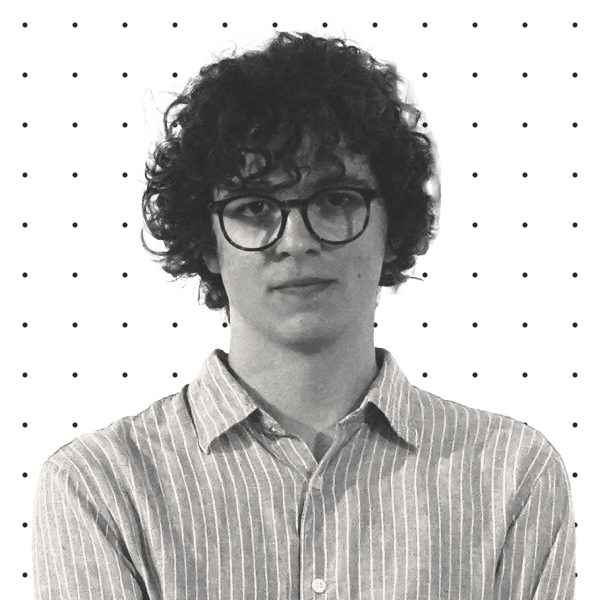
Tudor Mureșan trained as a fine artist at the National University of Arts in Bucharest, with work shown in seven group exhibitions across Bucharest, Sibiu and Berlin. He now applies that training commercially: illustration, editorial, typography, print, animation and motion.
He reads your brief, decides the angle, and signs off on what ships. He also learns your brand once during the pilot, so you stop re-explaining it every time you need something.
And when your volume outgrows one artist: HKR has hired close to 800 people in ten years. Finding another trained artist and teaching them the AI stack is what we do. Your creative department grows the week you need it to, not the quarter after.
Process
From brief to shipped.
One request, start to finish, in the four tools it actually passes through. No portal. No ticket queue.
01
The brief
It starts as a brief. A few lines and the files. No brief template, no kickoff meeting, no waiting for Monday.
#hkr-designSlack Connect · shared channel
Morning. The autumn drop lands in three weeks and the listings are doing nothing on their own. Angle is discovery, get the range in front of people already shopping for it. Square first, verticals after. Brand kit attached. How fast can we see directions?
On it. Directions tomorrow, production starts the moment you pick one.
✅ 102
The thinking
Angles get written down before anything gets drawn. You see the reasoning, pick one, and the routes you did not pick stay in the doc for next round.
Concept directions
- Status
- In review
- Deliverable
- Square set, 4 routes
Four angles on the same problem. One gets built this round.
Angles
- Search takeover — meet the buyer where they already look
- The range — one design, every product it prints on
- Social proof — real reviews, laid out
- Maker's hands — the artist behind the drop
Going with the search takeover — it puts the range where the buyer is already looking, no explaining required.
03
The iteration
Step two picked the idea. This is where it gets made to look like it. Rough passes, each one measured against the angle, until the visual carries the argument without the brief next to it.
v1
v2
v3
1080 × 1080
04
The delivery
Most assets land the same day, cut to every placement and ready to run. Nothing takes more than 48 hours. If it needs another pass it gets one, from the same credits.
The workflow
The human decides.
The machine composites.
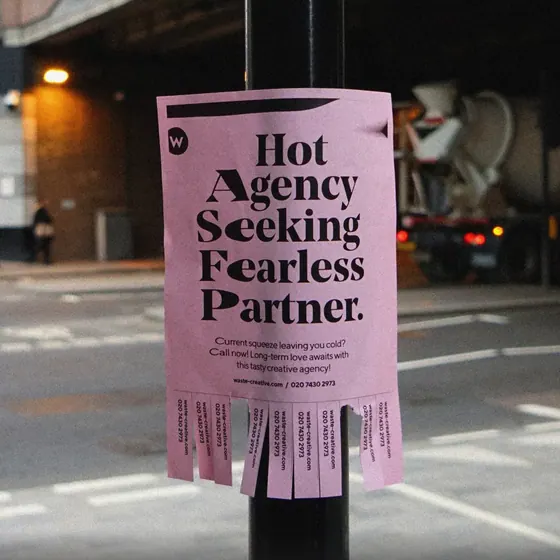
One real job, opened up: a tear-off poster placed into a street photograph and run out in two colorways. The angle, the artwork, and every accept-or-reject were Tudor's. The masking and repainting were not. Drag it around, click any node, zoom in.
replace the tear-off ad in the image attached so with the design attached in. the2nd image, remove some of the tears in the design attached to match the torn paper look in the first image. Try to make it as seamless as possible

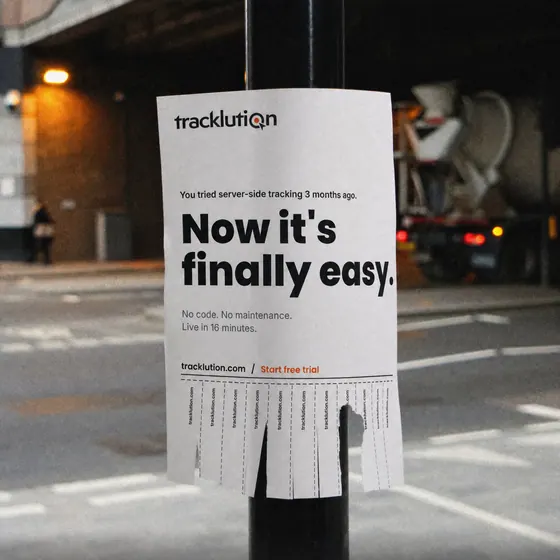
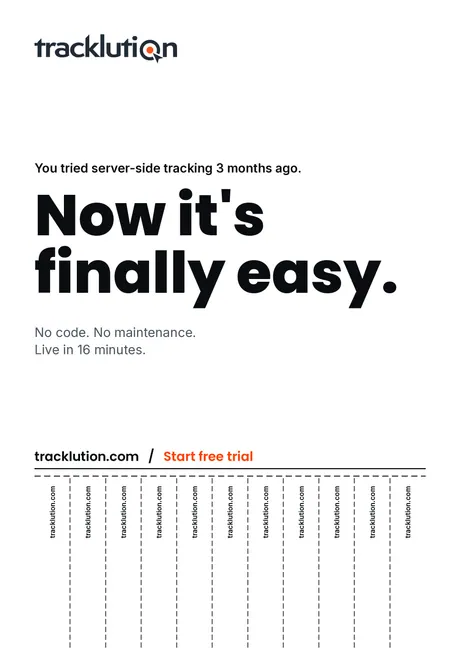
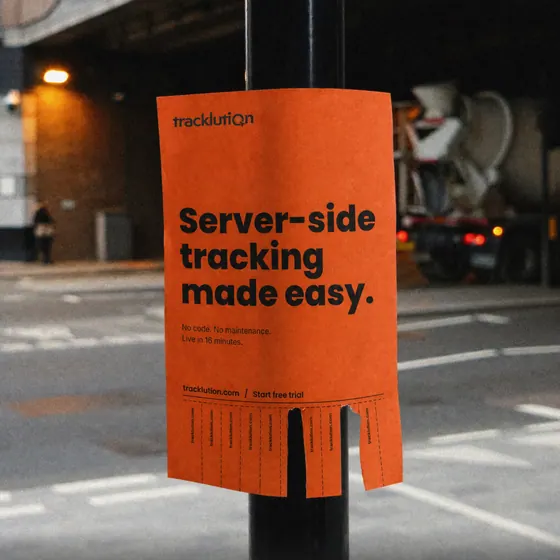
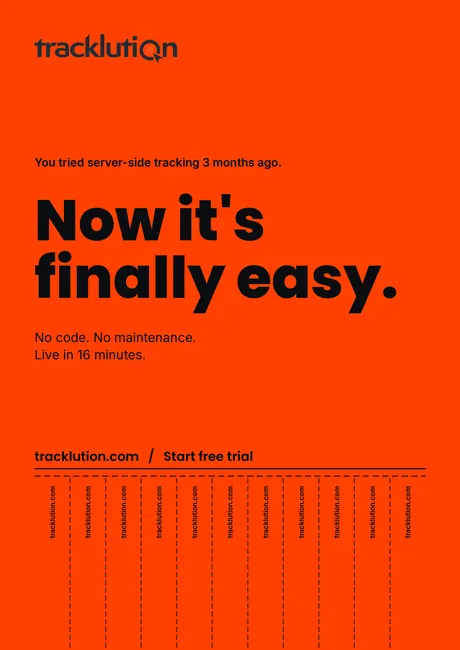
- Inputs: the street mockup plate (image.png), the prompt, and two tear-off artworks — a white cut and an orange cut.
- Prep: the plate is cropped to 1:1 2060 × 2060, then Masks Extractor isolates the poster.
- Models: ChatGPT Images 2.0 Edit composites the white cut and Gemini 3 (Nano Banana Pro) the orange cut, both from the same prompt.
- Output: the ChatGPT result is cropped to 9:16, 1152 × 2048.
The pilot
A month of real work, on us.
1000credits, included
1 monthyour real briefs
$0no card, no lock-in
Claim $1,000 in credits. One setup call — logos, fonts, brand rules, handed over once — and you send your first brief the same week. Real briefs, your actual brand, assets you can ship. We use the month to learn your volume and your mix, because that is the only honest way to price this. If it works, you load up credits and keep going. If it does not, you have spent nothing and you keep the work.
FAQ
Before you ask.
What does an asset cost?
A social visual runs a few credits. A full deck runs more. Your $1,000 in pilot credits covers a real month's mix — and that month is how we learn your volume and price it straight.
How do we send requests?
A message in the shared channel. A few lines on what you need and the files to work from. That is the whole process.
How fast is delivery?
Most assets come back the same day. Nothing takes more than 48 hours. Anything larger gets a date up front, and we hold it.
How do revisions work?
There is no cap. Each pass draws from your credits like any other request, which is the trade: you are never told you have used up your two rounds, and you are never sent a surprise invoice.
What if we are not happy?
We keep going until it ships. If a direction is wrong, say so early and the next one comes back different. That is what the four routes in step two are for.
Who owns the work?
You do. Full rights to everything we deliver, from delivery.
What happens after the pilot month?
If it is working, you load up credits and keep sending briefs. No subscription, no minimum term. If it is not working, we part on good terms and you keep what we made.